







Repair iPhone Unknown Part Error Messages Using Diagnostic Compatible Parts
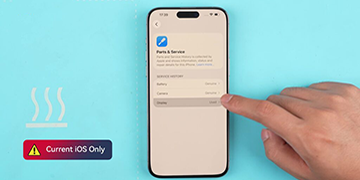
Apple’s Repair Assistant has revolutionized iPhone repair. Simply replacing a non-original display or battery is no longer sufficient. To avoid “Unknown part for iPhone” messages, the replacement part must be compatible with Apple’s Repair Assistant and successfully complete the post-repair diagnostic process. Using parts compatible with the diagnostic process helps ensure a smooth repair experience while avoiding warning messages that could undermine user confidence.
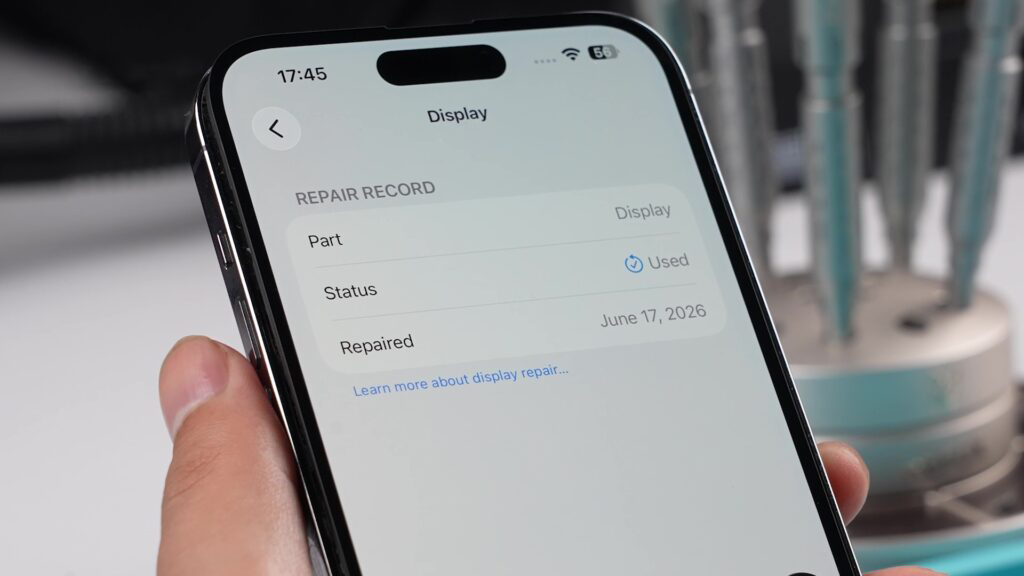
Therefore, in 2025, diagnostically compatible screens and batteries rapidly gained popularity in the mobile phone repair industry. They promise a simpler installation process while avoiding the “Unknown iPhone Parts” messages often triggered by traditional third-party parts.
In this guide, DTSMART will explain the technology behind diagnostically compatible parts in easy-to-understand language, discuss their advantages and limitations, and help you decide if they are right for your repair business.
Which components are compatible with iPhone diagnostics?
Parts with compatible diagnostic capabilities are aftermarket replacement components designed for seamless collaboration with Apple Repair Assistant. Once installed, they can successfully complete the pairing and diagnostic process, avoiding “Unknown iPhone Part” messages. This allows users to enjoy a smoother repair experience while ensuring correct part identification and proper system functionality.
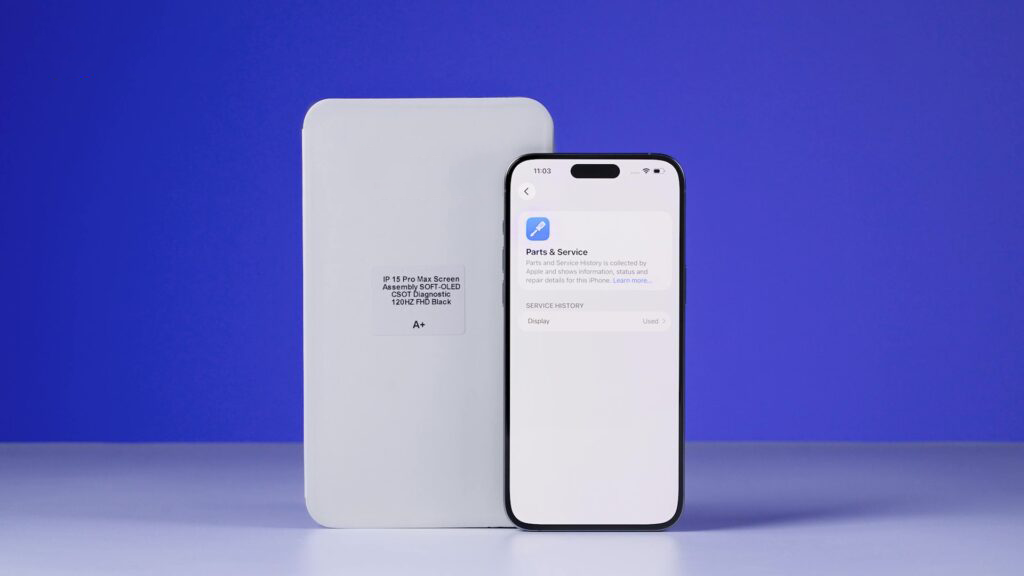
Normally, third-party screens and batteries are not recognized as genuine paired components by iOS. As a result, users may see:
- “Unknown Part” notifications
- Limited functionality after replacement
- Failure during Apple’s Parts Calibration process
Diagnostic-compatible parts are engineered specifically to overcome these problems, allowing many repairs to be completed without performing risky IC chip transplantation.
Simply put:
Repair Assistant is Apple’s software calibration system introduced for newer iPhones. After replacing certain components, technicians can run Repair Assistant to verify and calibrate the installed parts.
How Does a Diagnostic-Compatible Screen Work?
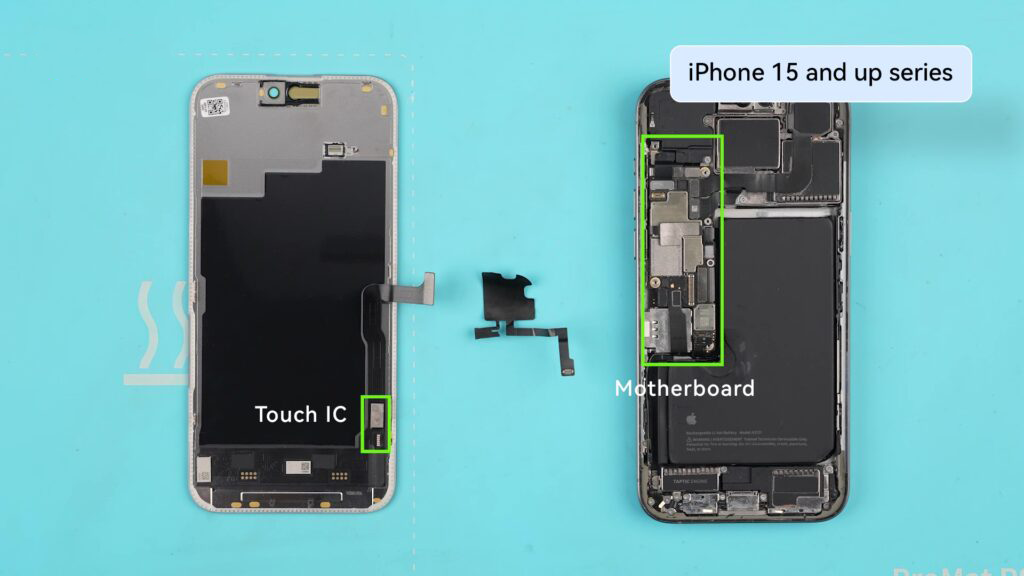
The technology behind diagnostic-compatible displays may sound complicated at first, but the basic concept is surprisingly straightforward. Let’s break it down step by step. The secret isn’t the OLED panel itself. Instead, the key component is the OEM pulled touch IC.
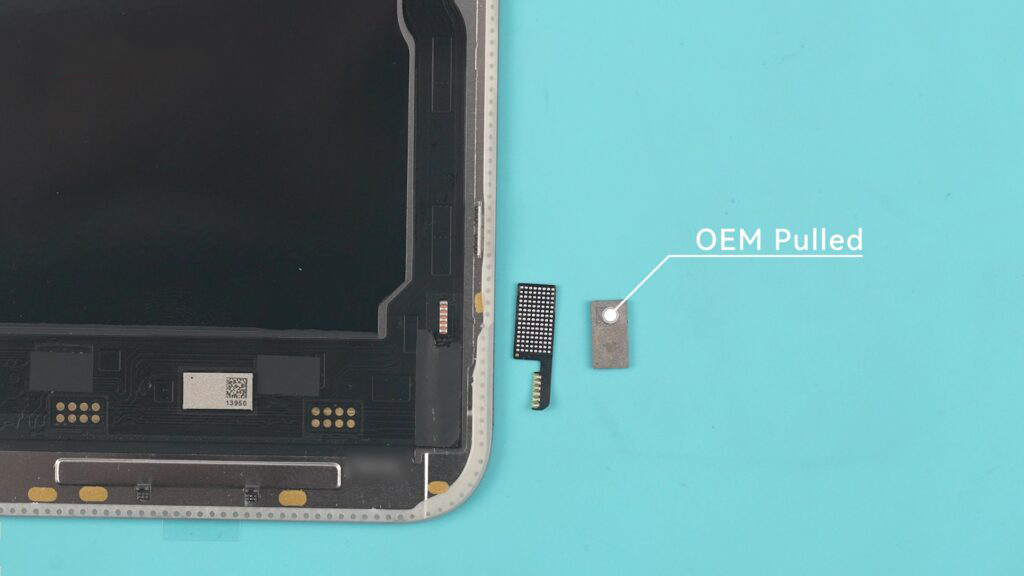
Because Apple stores its encrypted calibration information inside the touch chip (IC), manufacturers transplant the original touch chip onto third-party OLED displays. This allows the screen to be presented to the system in a way that enables the “repair assistant” to complete the process successfully.
The entire calibration process is as follows:
- Harvest an original touch IC from a donor screen.
- Solder the IC onto an aftermarket OLED display.
- Install the screen.
- Run Apple’s Repair Assistant.
- Complete Parts Calibration.
Why is the Front Sensor Flex Important?
There’s another important detail that many technicians overlook, especially on newer iPhones. After Parts Calibration, the front sensor flex cable becomes critical.
For iPhone 14 Series and earlier, the repair is relatively forgiving. As long as a compatible front sensor flex cable is installed, the screen can usually pass Repair Assistant.
For iPhone 15 Series and newer, requirements become much stricter. The front sensor flex must be either the original flex paired with the motherboard, or perfectly matched to the touch IC installed on the replacement screen. Otherwise, the calibration may fail even if the screen itself is diagnostic-compatible.
How Does a Diagnostic-Compatible Battery Work?
The same design philosophy also applies to batteries. Instead of relying on the battery cell itself, the key component is the Battery Management System (BMS) board.
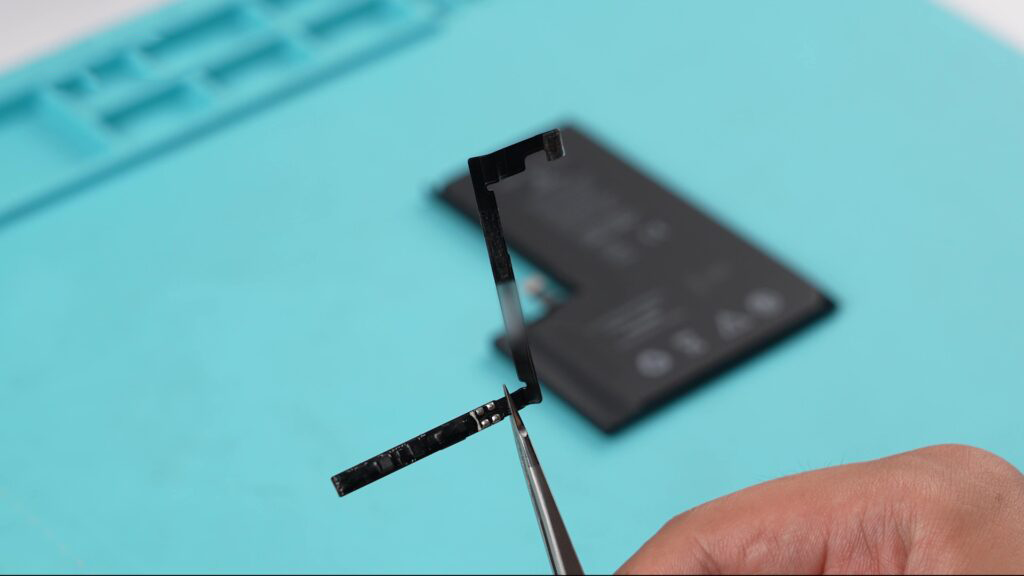
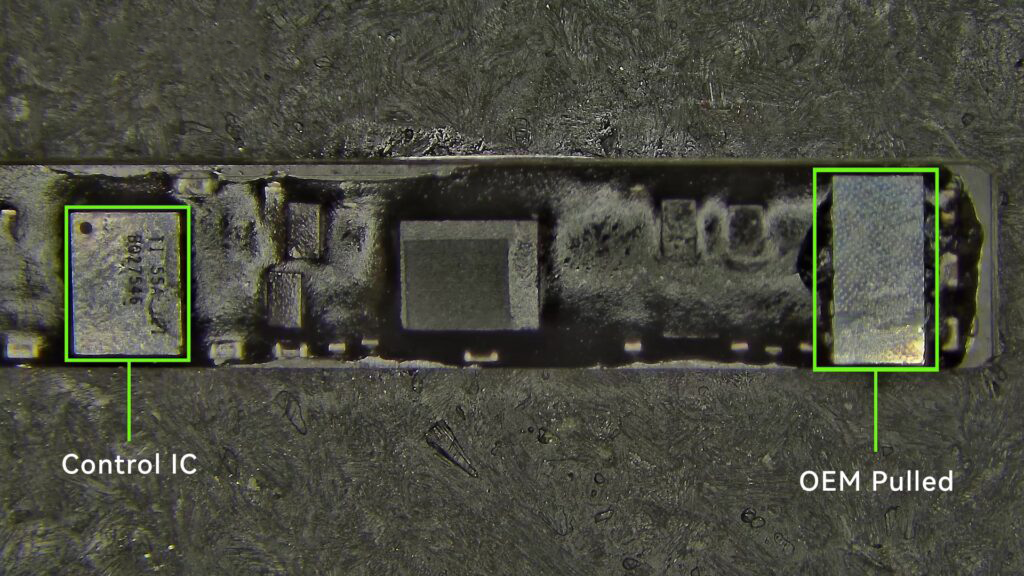
The BMS board controls functions including charging, battery protection, power management, battery health reporting and fuel gauging. Diagnostic-compatible battery manufacturers replace the traditional aftermarket BMS board with:
- an OEM pulled authentication IC
- a control IC for battery management
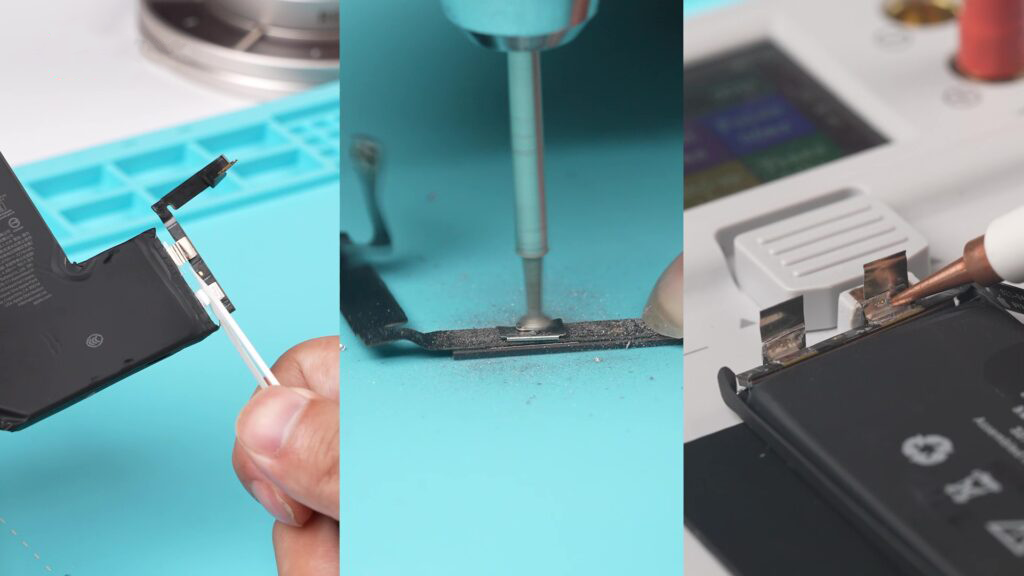
After spot welding this BMS board onto a new battery cell, the battery can successfully complete Repair Assistant while still operating like a normal replacement battery.
Quick tip:
Fuel Gauging refers to the system that calculates the battery percentage displayed on your iPhone.
Advantages of Diagnostic-Compatible Parts
Diagnostic-compatible parts have become popular because they solve several long-standing repair challenges. Here’s why many repair shops are paying attention.
1. Lower Risk During Installation
Traditional solutions often require screen IC transplantation, battery BMS transplantation and precision microsoldering.These procedures require expensive equipment and highly experienced technicians. Diagnostic-compatible parts significantly reduce the chance of technician-induced failures.
2. Faster Repair Turnaround
Without chip swapping, repairs become much quicker. For businesses, faster turnaround often means higher profitability.
Repair shops can:
- Complete more repairs each day
- Alleviate technician workload
- Reduce customer waiting time
3. Lower Cost Than OEM Parts
Original Apple replacement parts remain expensive. Diagnostic-compatible parts provide many of the same user-facing benefits while costing considerably less, making them attractive for:
- Chain repair shops
- Distributors
- Refurbishers
- Second-hand device dealers
Hidden Risks You Should Know
Although diagnostic-compatible parts offer impressive convenience, they’re not a perfect solution. Like any emerging repair technology, there are several limitations worth considering.
1. Future iOS Updates May Break Compatibility
The diagnostic-compatible parts only guarantee current iOS compatibility. This remains one of the biggest uncertainties.
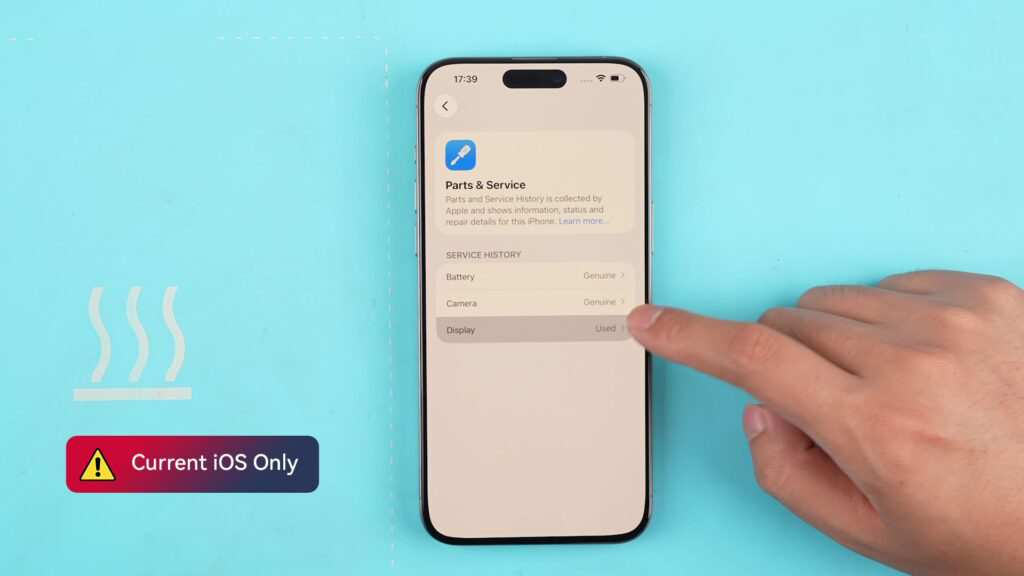
If Apple changes its verification algorithm in future iOS releases, currently compatible parts could:
- Fail Apple Repair Assistant
- Display Unknown Part warnings
- Lose diagnostic compatibility
2. Donor IC Chips are Still Used Components
The authentication ICs are harvested from donor devices. Although genuine, they are not brand-new.
Older chips may eventually experience aging, instability and random diagnostic failures. Their long-term reliability depends heavily on the quality of the harvested components.
3. Long-Term Reliability is Still Being Proven
Manufacturing quality continues to improve, but long-term field performance still requires more validation. Because diagnostic-compatible solutions are still too new.
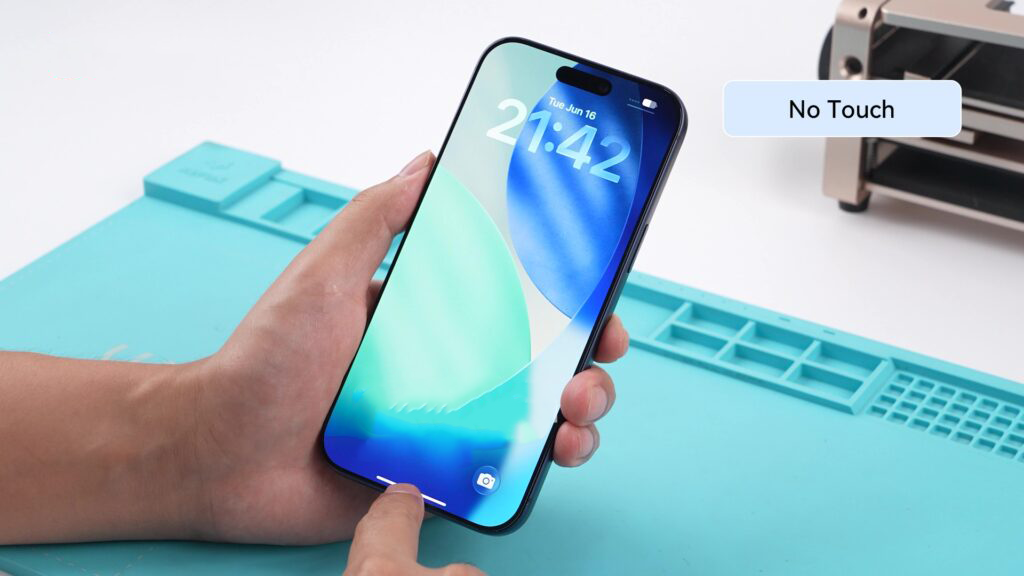
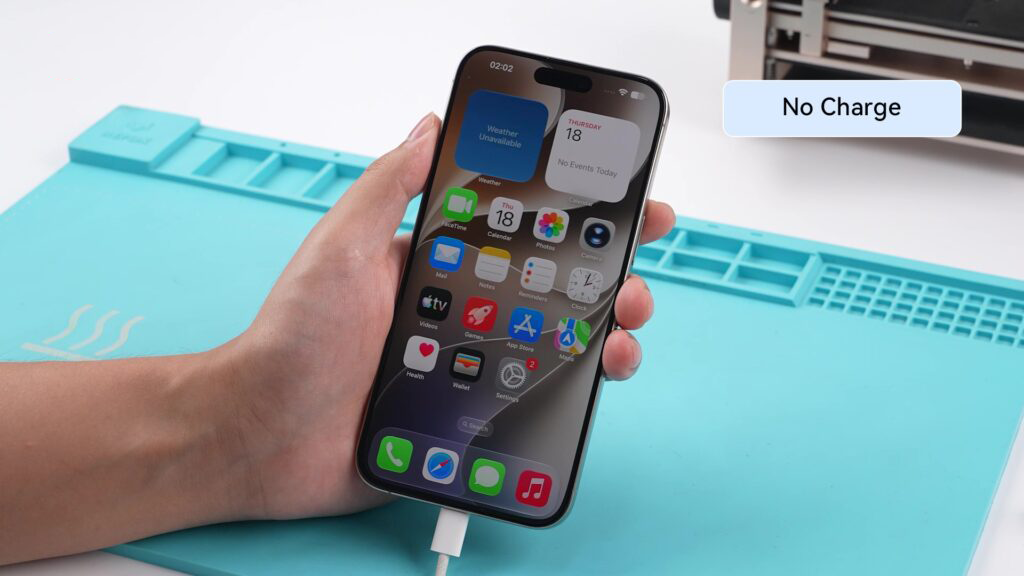
Industry testing and early RMA data suggest that some production batches have experienced random glitches, intermittent failures and inconsistent stability.
Frequently Asked Questions
1. Can diagnostic-compatible parts permanently remove the iPhone Unknown Part message?
Not necessarily. They are designed to pass the current version of Apple’s Repair Assistant, but future iOS updates could change Apple’s verification mechanisms and affect compatibility.
2. Are diagnostic-compatible screens genuine Apple displays?
No. The display panel itself is aftermarket. However, it typically incorporates an OEM pulled touch IC that enables the authentication process.
3. Do diagnostic-compatible parts lower the risk of microsoldering?
Yes. One of the biggest advantages of diagnostic-compatible parts is that they fix the need for complex IC or BMS transplantation during installation.
4. What is the front sensor flex? Why is it important on iPhone 15 and newer?
The front sensor flex is the cable that connects components like the ambient light sensor and proximity sensor located near the front camera assembly. And Apple introduced stricter pairing requirements on iPhone 15 and newer. The front sensor flex must either be the original one paired with the motherboard or correctly matched with the replacement screen’s touch IC to complete calibration successfully.
5. Are diagnostic-compatible batteries as reliable as OEM batteries?
Reliability depends on manufacturing quality, the condition of the reused authentication IC, and the supplier’s quality control. Because the technology is still relatively new, long-term performance data is still developing.
6. Who should consider using diagnostic-compatible parts?
They are well suited for independent repair shops, refurbishing businesses, distributors, and technicians seeking faster repairs, lower labor costs, and a more affordable alternative to OEM parts.
Conclusión
Diagnostic-compatible screens and batteries represent one of the biggest developments in the iPhone repair aftermarket in recent years.
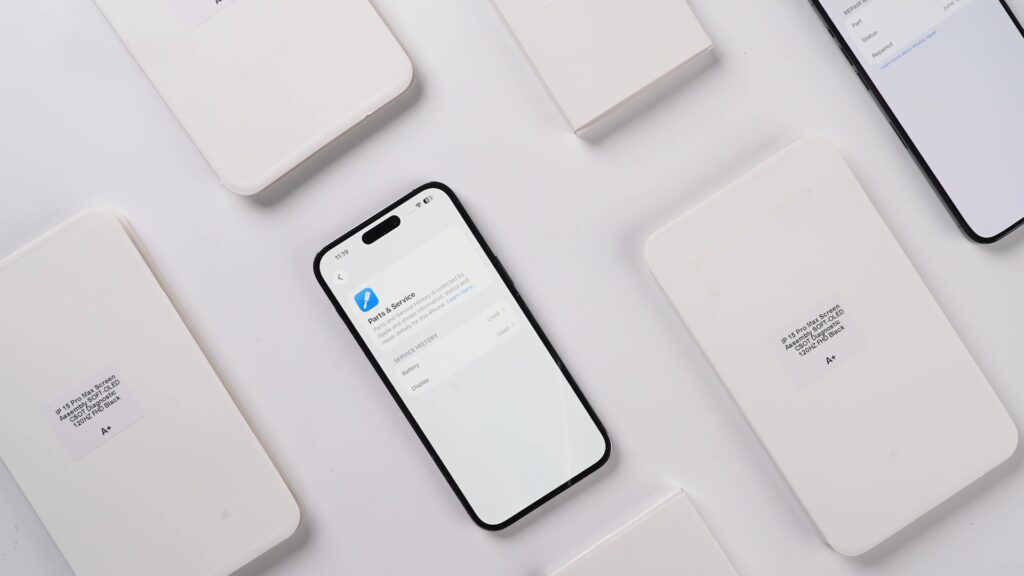
By integrating OEM pulled authentication chips into aftermarket components, they make it possible to complete Apple’s Repair Assistant without the complex microsoldering traditionally required for IC chip transplantation.
As the aftermarket continues to evolve, diagnostic-compatible parts are likely to play an increasingly important role—but choosing products from trusted suppliers with proven quality control remains essential. DTSMART Technology is a global electronics repair solutions provider, and it implements a rigorous quality control process before shipping each batch of products. If you have any question, please feel free to contact us whatsapp:+8613006864486.
Pensamientos de 1 en “Repair iPhone Unknown Part Error Messages Using Diagnostic Compatible Parts”
Deja una respuesta
Lo siento, debes estar conectado para publicar un comentario.
The technical analysis was very professional and insightful, excellent.